Researchers develop Python code for in-memory computing
Advertisement
The researchers purportedly developed a theory for building a programming language with in-memory computing in mind. The software they created converts Python commands into machine code executed directly in the computer's memory.
This new computer language is dubbed PyPIM (Python Processing-in-Memory). Just like API conversion layers such as DXVK (DirectX to Vulkan), PyPIM is a conversion layer that converts conventional Python code into code that can run on this new type of computing method. As a result, Python programmers can write the same way they write for conventional computers and don't need to adapt their writing style for in-memory computing.
Advertisement
Techxplore reveals that software is one of the crucial aspects of in-memory computer processing that has remained utterly unexplored until now. Compute code written for conventional computers has purportedly "barely changed" since the 1940s. Professor Shahar Kvatinsky from the Andrew and Erna Viterbi Faculty of Electrical and Computer Engineering reveals that writing code for in-memory computing is so radically different from conventional computing that "...some of the existing building blocks of computer science unusable..."
Without a conversion layer such as PyPIM, developing applications compatible with processor-in-memory support would have been very difficult. The low-level machine code would need to be rewritten to accommodate processing some calculations in memory and the rest on the CPU.
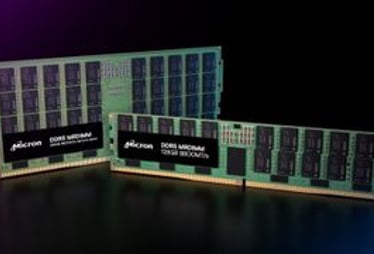
In-memory computing is a new way of computing that aims to solve the memory latency problem. As the name suggests, in-memory computing enables the system memory to do some calculations the CPU would do otherwise, cutting down the amount of data that must be transferred between the CPU and DRAM.
SamsungandTSMCare actively working on memory capable of doing this, featuring MRAM memory cells. In-memory computing is still in the prototype phase, but progress is being made on the hardware side to make it a viable technology. With the help of conversion layers like PyPIM, software should be developed to support this computing method.